Your Paint Is Probably Not Worn Out
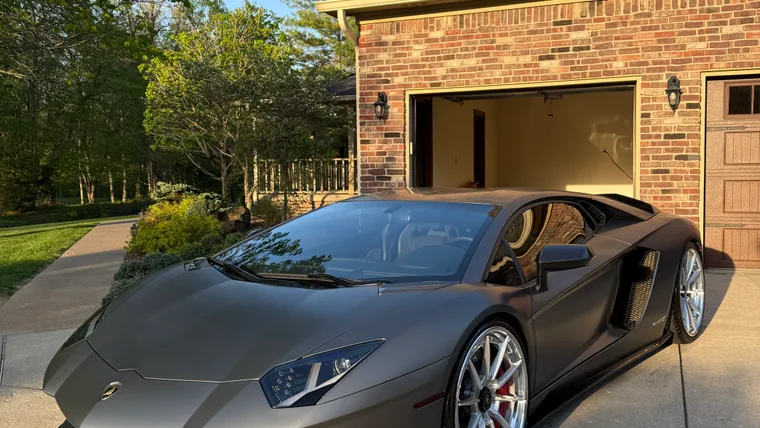
Most paint that looks dull is not worn out, it is scratched. Years of automatic car washes leave a haze of fine swirls that scatter light in every direction, and no wax fixes that, because wax sits on top of the problem. Paint correction removes the defects instead of hiding them, working through cutting and finishing stages until the reflection reads clean again. How many stages your paint needs depends on how deep the marks are, which is why Platinum Pro Clean quotes correction after looking at the vehicle rather than off a menu.
How Correction Is Done
In this order, every time, because polishing dirty paint just grinds the dirt in.
Reading The Paint
Correction starts with looking, under direct light, at what is actually in the clear coat. Fine swirls from an automatic wash, buffer trails from a previous shop and a deep key mark are three different problems, and only some of them come out. Bryce tells you which is which before quoting.
- Paint inspected under direct light before any price is given
- Swirls, wash marks, buffer trails and deep scratches told apart
- Honest answer on what is too deep to safely remove
- Quote based on the panel in front of him, not a package name
Decontamination
Nothing gets polished until the surface is clean, because a machine pad drags whatever is on the paint across the paint. The vehicle is washed, chemically decontaminated and clayed first. This stage is not optional and it is not where corners get cut.
- Hand wash with a separate wheel and arch stage
- Iron fallout remover across the painted panels
- Tar and adhesive residue removed by hand
- Clay treatment so the surface is smooth before the machine touches it
Cutting And Finishing
Compounding cuts the defects out of the clear coat. Finishing polish then brings the gloss back up so the reflection reads sharp rather than hazy. How many passes that takes is decided by the paint, which is why correction is not sold as a fixed menu item.
- Machine compounding to remove swirls and wash marks
- Finishing polish for gloss and clarity
- Panels checked under light between stages
- Paint left ready for a coating or a sealant
Clear coat is finite and a scratch you can feel with a fingernail is usually deeper than it can safely be cut. Bryce says so before you book rather than after, and quotes the level of correction that makes sense for the vehicle you actually have.
Why Owners Book Correction
The four things that come up most often on a correction quote around Morgan and Hendricks counties.
Wax Hides, Polish Removes
A wax or a glaze fills a scratch so it catches less light for a few weeks. Correction takes the scratch out of the clear coat. That is the whole difference, and it is why paint that has been waxed for years still looks hazy in direct sun.
Automatic Washes Are The Cause
Most of what looks like dull paint is a haze of fine swirls put in by brushes and by drying with the wrong cloth. Plainfield and Indianapolis commuters see it worst, because the miles mean more washes.
Worth Doing Before Coating
A ceramic coating locks in whatever it goes over. Correcting first is the difference between sealing in gloss and sealing in swirls, which is why the two are usually quoted together.
Classics And Work Trucks Both
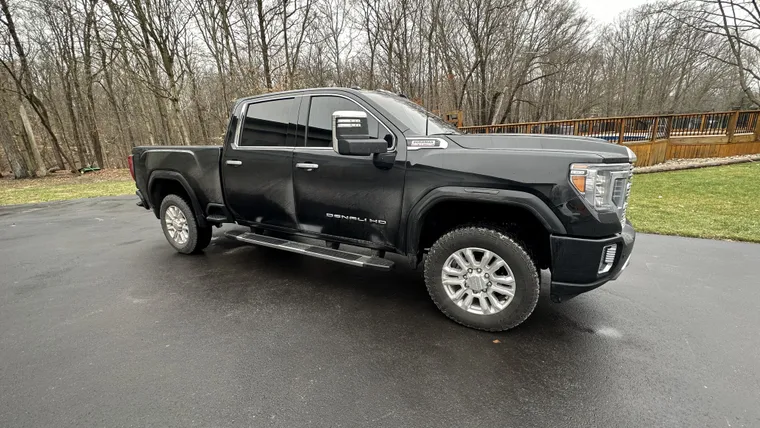
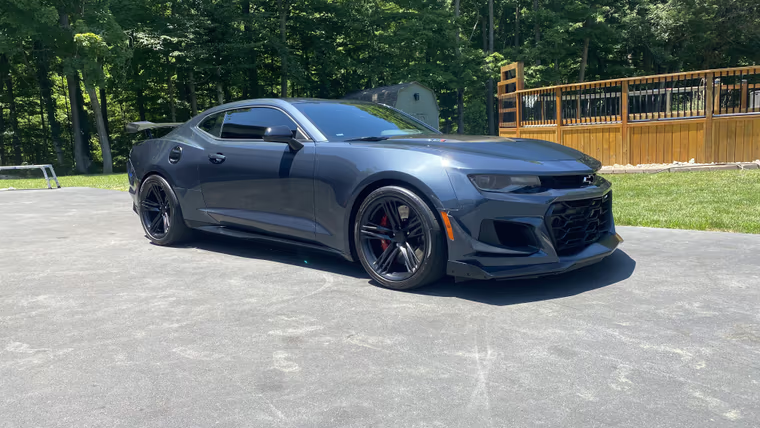
A show car and a dually that lives outside need different amounts of cutting, and both are normal work here. Bryce has been correcting paint in Mooresville for five years, on everything from daily drivers to classics.
Correction is most often booked with ceramic coating so the finish is locked in, and alongside exterior detailing for the wheels, trim and glass. Interiors are handled separately under interior detailing.